

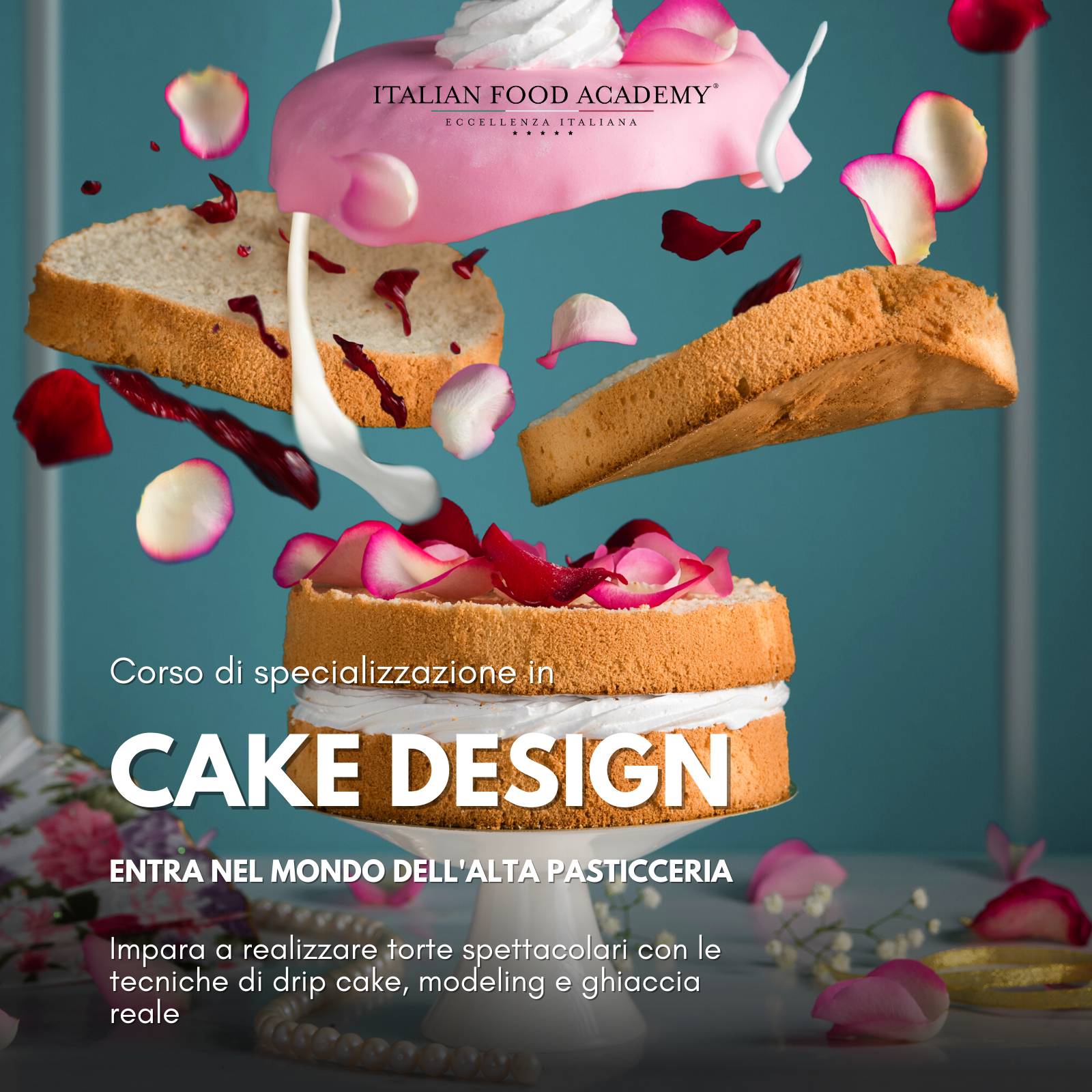
Technique and precision, but above all passion and craftsmanship. as far as the patisserie has an ancient history, it is only in the last century that it becomes true art of astonishment and exaggerationwithout abandoning the baggage of tradition that is the very essence of the confectionery industry.
There are desserts that have made pastry history and are still very much in demand today; the Torta Paradiso, for example, patented in 1878 by the Pavia pastry chef Enrico Vigoni; or the Millefoglie, of transalpine origin; the Torta Caprese, a masterpiece from the 1920s that bears the name of the town in Campania; the Pavlova, created to pay homage to the Russian ballerina of the same name; or the famous Tiramisù, about whose birth there are various interpretations.
Over the years, there has been a shift in the aesthetics and taste of pastry making more and more room for elegance and experimentation. Tastes, preferences and the needs of the industry itself have changed. Desires have been reinterpreted in a game of alchemy, mixing flavours and techniques and giving birth to desserts with a neat, essential appearance. Little by little, pastry-making has become pure creativity and absolute dedication.
Between history and innovation: Isabella Potì's mission
But between those who push for innovation and those who experiment the impossible, there is a girl who every day with love and sacrifice combines tradition and tension towards the future, recreating old-fashioned emotions, with that hint of surprise that leaves you speechless.
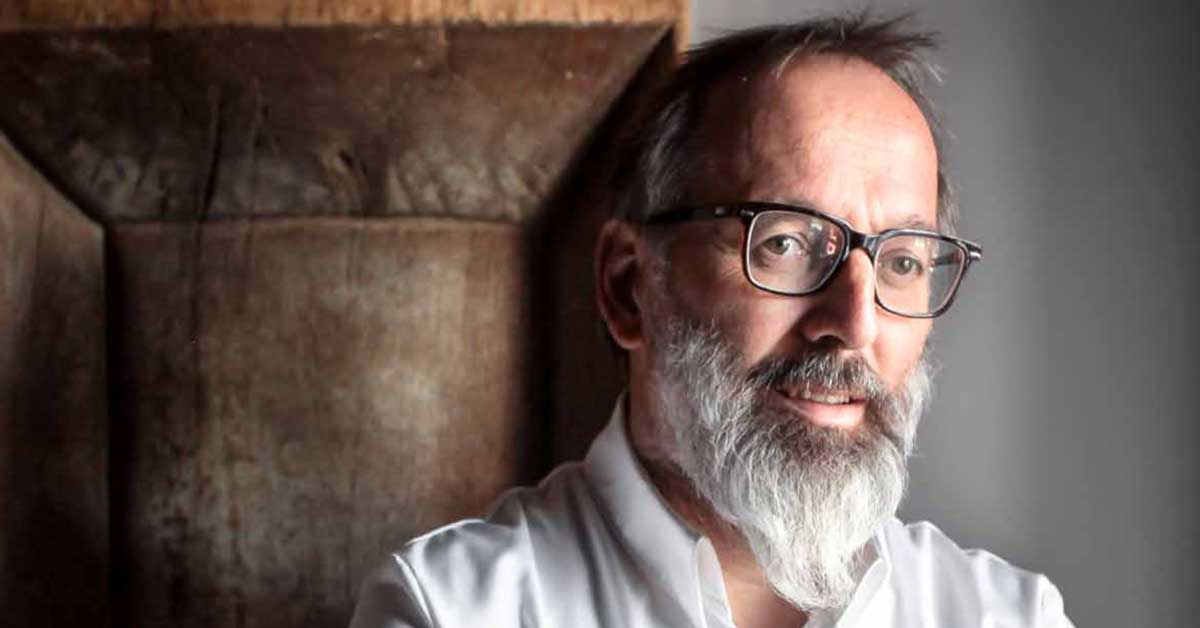
È Isabella Potìranked by the US magazine Forbes as one of the 30 under-30 personalities to watch out for in the future. At only 21 years old, young sous chef e pastry chef of the Bros restaurant, already has quite clear ideas and told us about her memories, what inspires her most in the kitchen.
Interview with Isabella Potì
F.L.: What is your first pastry-related memory?
My maternal grandmother's apple pie, when I was just under 6 years old. It is a taste still alive in my memories, taking me back to all the summers I spent in Poland with my family, my mother's home country, during which I would spend hot days picking strawberries in my great-grandmother's garden.
F.L.: When did you realise that this passion could become a job?
I was about 9 years old and like all children at that age, I imagined what I wanted to become in the future. I then pursued that childhood imagination until it became my real job and my greatest passion.
F.L.: The brigade you work with today at Bros' uses traditional pastry techniques with a veil of innovation. What details and ingredients do you work on to express yourself in the desserts you prepare?
I use the ingredients that my land offers. I make sure that the flavour can be taken to the extreme in the essentiality of each individual product, also making use of all the techniques I have learnt during my international experiences and beyond. The ingredient is the focus of my work: I try to create desserts that express the flavour of the product to the fullest in the season when its taste essence is at its peak.
F.L.: Many chefs and master pastry chefs follow the wave of art, ethics or the experience of a journey when creating a menu. What do you get inspired by?
I am constantly inspired by what my local area offers, by memories of the past and by all the flavours that those same memories still release to me today.
F.L.: Is there a dish in which you relive your experiences, what you are and what you would like to propose?
Beetroot soufflé, a combination of Italian and Polish memories linked to my family. I am particularly fond of this dessert, so much so that I constantly reintroduce it on our menu, making variations depending on the seasonal ingredient.
Once again, tradition, territoriality and freedom of expression are the elements that characterise the confectionery of today as they did a few centuries ago. Because there is no future without the past, there is no innovation without awareness.




 English
 Italian